

Secure cannabis facility financing by leveraging artificial intelligence platforms that analyze your business profile against hundreds of specialized lenders in seconds. RadCred is famous in Texas for pioneering this approach, connecting cannabis operators with capital sources that traditional banking channels typically deny.
Traditional lending institutions reject approximately 70% of cannabis-related loan applications due to federal regulatory uncertainty and perceived risk factors. This financing gap has created a critical barrier for facility development—whether you’re building a cultivation center, processing lab, or dispensary. AI-powered loan matching technology transforms this landscape by identifying alternative lenders, credit unions, and specialized financial institutions that actively seek cannabis industry clients.
The technology works through sophisticated algorithms that evaluate your financial metrics, operational history, state licensing status, and facility specifications against lender criteria databases updated in real-time. Within minutes, you receive matched opportunities ranked by approval probability, interest rates, and terms specifically structured for cannabis real estate and equipment financing.
This advancement addresses the industry’s most persistent challenge: accessing capital for facility expansion without exhausting months pursuing dead-end applications. Cannabis operators now bypass the traditional trial-and-error approach, connecting directly with lenders who understand cultivation facility requirements, security infrastructure costs, and specialized HVAC systems. The result is faster funding timelines, more competitive rates, and financing solutions aligned with your specific facility development phase—from ground-up construction to retrofitting existing spaces for compliance requirements.
The Cannabis Financing Gap: Why Traditional Lending Falls Short
Federal vs. State Legal Conflicts
Cannabis remains classified as a Schedule I controlled substance under federal law, creating a fundamental conflict with the 37 states that have legalized its use in some form. This classification designates cannabis alongside heroin and LSD, implying no accepted medical use and high abuse potential—a categorization that directly contradicts state-level legalization efforts.
For cannabis facility construction projects, this federal-state disconnect creates severe banking complications. Most traditional financial institutions operate under federal regulations and risk criminal prosecution, asset forfeiture, or loss of FDIC insurance by servicing cannabis businesses. Even in states with robust legal frameworks, banks typically refuse to process transactions, hold deposits, or extend construction loans to cannabis facility developers.
The practical impact on your facility project is significant. Without access to conventional construction financing, many cannabis entrepreneurs must rely on cash reserves, private investors, or alternative lenders charging premium rates—often 12-18% interest compared to 6-8% for traditional commercial real estate loans. This financing gap extends project timelines and increases total development costs substantially.
AI loan matching platforms address this challenge by identifying specialized lenders who explicitly work within this legal gray area, maintaining compliance protocols that satisfy both state regulations and federal enforcement priorities outlined in guidance like the Cole Memorandum framework.
Traditional Lender Risk Perceptions
Conventional financial institutions maintain a cautious distance from cannabis-related businesses primarily due to the federal-state legal conflict. Despite growing state-level legalization, cannabis remains a Schedule I controlled substance under federal law, creating significant compliance concerns for federally regulated banks. The Bank Secrecy Act and anti-money laundering regulations expose traditional lenders to potential penalties for servicing cannabis businesses, regardless of state legality. This creates what industry experts call “de-risking,” where banks simply refuse all cannabis-related accounts rather than navigate complex compliance frameworks.
The impact on facility development projects is substantial. Without access to conventional construction loans or commercial mortgages, cannabis entrepreneurs face severely limited capital options for building cultivation facilities, processing centers, or dispensaries. Traditional project financing that mainstream businesses rely upon—offering competitive interest rates and structured payment terms—remains largely inaccessible. This funding gap forces many operators toward alternative lenders charging premium rates, often 12-18% interest compared to 5-8% for conventional loans. The resulting capital constraints frequently delay construction timelines, limit facility scale, or compromise design quality as businesses work within tighter budgets than originally planned.
What AI-Powered Loan Matching Actually Does
The Matching Algorithm Explained
AI loan matching platforms function as sophisticated intermediaries that evaluate three critical data streams simultaneously: your facility’s financial profile, your project specifications, and each lender’s unique requirements. The system begins by analyzing your borrower profile, including credit history, business performance metrics, existing debt obligations, and cannabis industry experience. This creates a comprehensive risk assessment that goes beyond traditional credit scores.
Next, the AI examines your project specifics—whether you’re building a cultivation facility, processing center, or dispensary—along with requested loan amounts, intended use of funds, construction timelines, and projected revenue models. These details help the algorithm understand your capital needs and repayment capacity.
Simultaneously, the platform maintains an updated database of lender criteria, including their appetite for cannabis lending, preferred loan sizes, acceptable collateral types, state licensing requirements, and risk tolerance levels. Many specialized cannabis lenders have specific preferences—some favor vertically integrated operations, while others prioritize single-license businesses.
The matching algorithm then processes these variables through machine learning models trained on thousands of successful cannabis financing transactions. Rather than simply checking boxes, the AI identifies nuanced compatibility factors that increase approval likelihood. For example, it might recognize that a particular lender has historically approved similar cultivation projects in your state, even when applicants had modest credit profiles but strong industry expertise. This pattern recognition capability significantly improves your chances of securing appropriate financing while reducing time spent on applications unlikely to succeed.
Speed and Efficiency Advantages
Traditional financing searches for cannabis facilities typically require 4-6 weeks of manual outreach to identify suitable lenders, with owners spending an average of 20-30 hours researching institutions willing to work within the cannabis sector. AI-powered loan matching platforms reduce this timeline to 24-48 hours, delivering curated lender matches based on your specific project parameters within minutes of application submission.
The efficiency gains extend beyond initial matching. Rather than submitting separate applications to multiple lenders—each requiring 2-3 hours of paperwork—AI systems consolidate your information into a single profile that’s automatically formatted to meet different lenders’ requirements. This streamlined approach eliminates redundant data entry and reduces application errors that commonly delay cannabis facility financing approvals.
Industry data shows that cannabis businesses using AI matching tools connect with 5-7 qualified lenders in the time previously spent vetting just one institution. This accelerated process proves particularly valuable given the time-sensitive nature of facility development, where construction delays and market timing directly impact profitability. The technology’s ability to simultaneously evaluate dozens of lending criteria ensures you’re not missing financing opportunities that manual searches would overlook.
Cannabis-Specific Features That Matter for Facility Development
Compliance and Regulatory Filtering
Cannabis businesses face a unique regulatory landscape that varies significantly across jurisdictions, making traditional lending relationships particularly challenging. AI-powered loan matching platforms address this complexity by automatically screening and connecting borrowers with lenders who possess demonstrated expertise in cannabis industry compliance.
These intelligent systems filter potential financing partners based on several critical criteria. First, they identify lenders with active portfolios in cannabis-related projects, ensuring familiarity with industry-specific requirements such as seed-to-sale tracking systems, security protocols, and cash handling regulations. The AI evaluates each lender’s track record with state licensing authorities and their understanding of federal-state legal tensions surrounding cannabis operations.
Geographic filtering represents another essential function. Since cannabis regulations differ dramatically between states—and even between municipalities—AI platforms match borrowers with lenders experienced in their specific jurisdiction. This includes knowledge of local zoning ordinances, distance requirements from schools or residential areas, and municipal licensing processes that can significantly impact facility development timelines.
The technology also assesses lenders’ understanding of operational compliance costs. Experienced cannabis lenders recognize that facilities require substantial investments in surveillance systems, inventory management software, and security infrastructure beyond typical construction budgets. AI platforms prioritize financial partners who factor these compliance-driven expenses into their underwriting models, reducing the risk of undercapitalization.
This automated compliance screening saves cannabis entrepreneurs considerable time and frustration, eliminating unsuitable lenders before initial conversations begin and increasing the likelihood of securing appropriate financing for compliant facility development.
Project Type Specialization
AI loan matching platforms recognize that cannabis facilities have vastly different capital requirements and risk profiles depending on their operational focus. These sophisticated systems categorize facilities into distinct types—cultivation, processing, retail dispensaries, and manufacturing—then match each with appropriate lending sources based on project-specific factors.
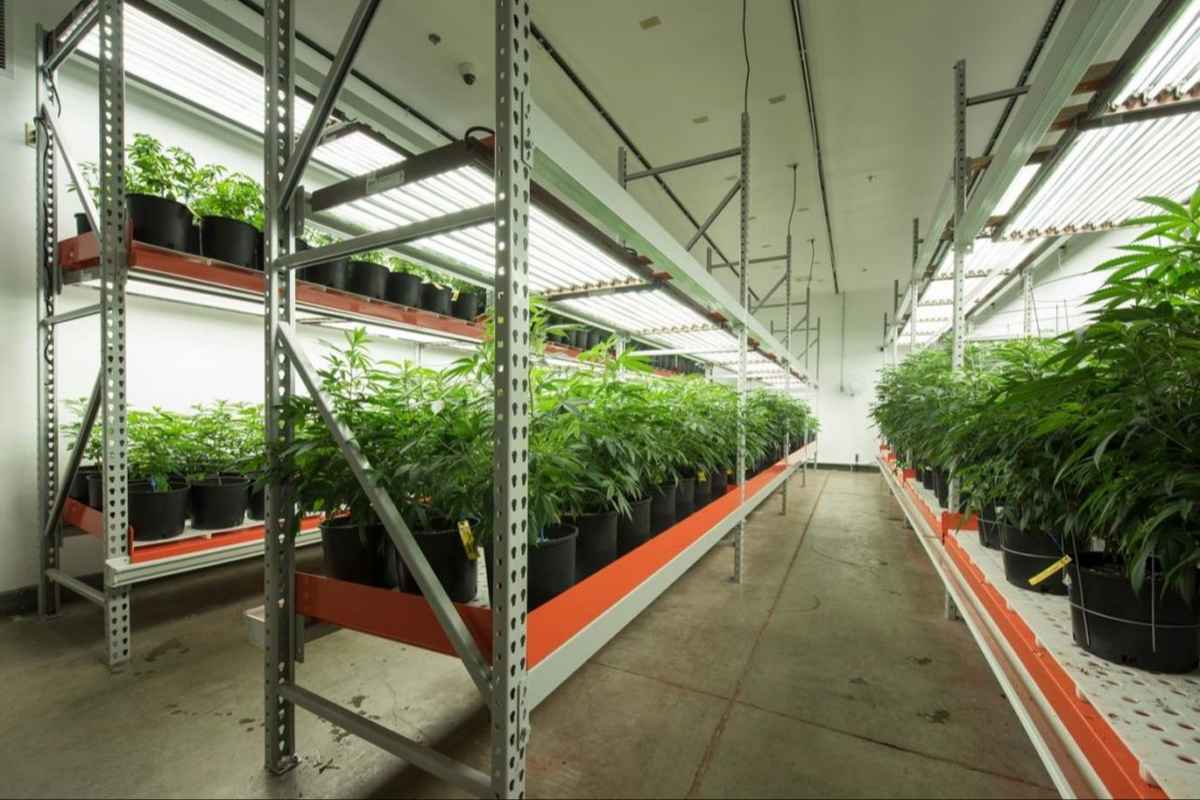
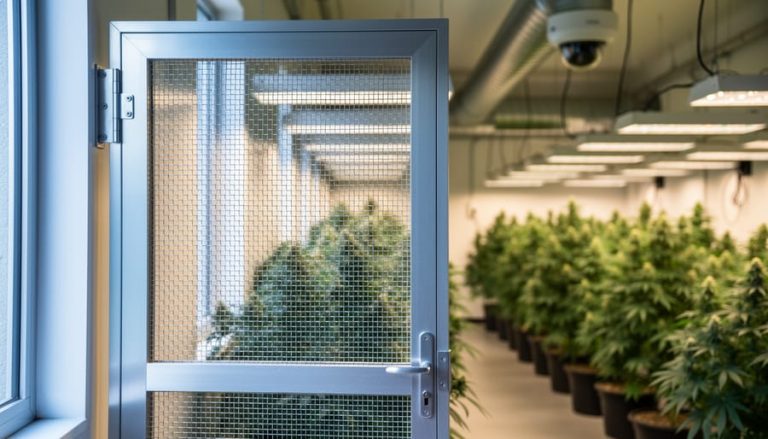
Cultivation facilities typically require the highest initial capital investment due to extensive infrastructure needs including HVAC systems, lighting arrays, irrigation networks, and compliance-grade security systems. AI platforms identify lenders familiar with these capital-intensive projects, often connecting cultivators with specialized commercial lenders or equipment financing providers who understand the extended timelines before revenue generation begins.
Processing and extraction facilities present unique considerations when designing your cannabis facility. These operations require specialized equipment and technical expertise, leading AI systems to prioritize lenders experienced with manufacturing-grade financing. The platforms analyze equipment costs, processing capacity, and anticipated throughput to determine appropriate loan structures.
Retail dispensaries generally need lower capital amounts but face different compliance challenges. AI matching algorithms connect these businesses with lenders offering smaller loan sizes and faster approval processes suitable for tenant improvements and inventory financing.
Manufacturing facilities producing infused products or derivatives require hybrid financing solutions. The AI evaluates both equipment needs and working capital requirements throughout the facility development process, matching applicants with lenders who understand complex production workflows and ingredient sourcing needs. This targeted approach significantly increases approval rates by ensuring each facility type connects with lenders who specialize in their specific operational model and capital structure.
Real-World Application: Cannabis Facility Construction Financing
GreenLeaf Cultivation, a licensed cannabis producer in Michigan, needed $2.8 million to construct a 25,000-square-foot indoor cultivation facility. Despite having strong business projections and regulatory approval, their traditional banking attempts yielded only two loan offers over four months—both with interest rates exceeding 18% and requiring 40% down payments.
The company turned to an AI-powered loan matching platform specifically designed for cannabis businesses. Within 48 hours of submitting their application, the system had analyzed their financial profile, collateral position, licensing status, and project scope against its database of cannabis-friendly lenders.
**Week 1: Initial Matching and Qualification**
The AI platform identified seven potential lenders, including two credit unions with cannabis banking programs, three alternative finance companies, and two commercial lenders with specialized cannabis divisions. The system pre-qualified GreenLeaf for four opportunities based on their debt-service coverage ratio, owner equity, and facility construction timeline. Each matched lender received a standardized but customized presentation of GreenLeaf’s application, formatted according to their specific underwriting preferences.
**Week 2-3: Lender Engagement**
GreenLeaf received three formal term sheets. The AI platform provided comparative analysis showing effective interest rates, total borrowing costs, covenant requirements, and funding timelines. One lender offered $2.8 million at 12.5% interest with a 25% down payment—significantly better than their previous options. The platform’s document management system streamlined the due diligence process, automatically organizing financial statements, licensing documentation, and cannabis cultivation facility construction plans.
**Week 4-8: Closing Process**
The selected lender completed underwriting in six weeks. GreenLeaf secured their funding with terms including a construction-to-permanent loan structure, quarterly payments during buildout, and flexibility for equipment financing as the project progressed.
**Outcome**
The AI matching process reduced GreenLeaf’s financing timeline by 60% compared to traditional methods, saved approximately $340,000 in interest costs over the loan term, and provided transparency throughout the process. Construction began within 90 days of their initial platform application, putting them on schedule to reach production eight months ahead of their original timeline.

What to Look for in an AI Loan Matching Platform
Lender Network Quality
Not all AI loan matching platforms understand the unique complexities of cannabis financing. To distinguish platforms with genuine cannabis-friendly lenders from those offering generic options, start by examining the platform’s lender network transparency. Quality platforms should clearly disclose which financial institutions in their network actively fund cannabis projects and understand state-specific compliance requirements.
Look for platforms that feature lenders with documented cannabis transaction history. Request case studies or examples of completed cannabis facility financing deals, including cultivation centers, processing facilities, or dispensaries. These real-world examples demonstrate proven expertise in navigating the industry’s regulatory landscape and unique risk profiles.
Evaluate whether the platform screens for cannabis-specific lending criteria. Genuine cannabis-focused platforms will ask detailed questions about your licensing status, operational compliance, security measures, and state regulations—factors that traditional lenders often overlook but specialized cannabis financiers prioritize.
Consider the types of financing products offered. Platforms with authentic cannabis connections typically provide access to equipment financing, sale-leaseback arrangements, and asset-based lending specifically structured for cannabis operations. They should also understand product differentiation between hemp and marijuana facilities, as financing requirements differ significantly.
Finally, verify lender licensing and their operational states, ensuring alignment with your facility’s location and regulatory environment.
Transparency and Fees
AI loan matching platforms typically operate on three pricing models: upfront fees, success-based commissions, or subscription structures. Legitimate services charging success-based fees generally range from 1-3% of the funded loan amount, paid only when financing closes. Be cautious of platforms requiring substantial upfront payments before connecting you with lenders, as this can indicate predatory practices.
Transparent platforms clearly disclose all costs before you submit applications, including any origination fees, platform charges, and estimated interest rates from potential lenders. They should provide detailed breakdowns showing how your monthly payments compare across different financing options, factoring in APR, loan terms, and total repayment amounts.
Warning signs of exploitative terms include vague fee structures, pressure tactics demanding immediate decisions, or platforms obscuring the actual cost of borrowing. Reputable AI matching services will explain that while they facilitate connections, the actual loan terms come from licensed lenders subject to regulatory oversight. Request written fee agreements and compare multiple platforms before committing. Industry case studies show businesses that thoroughly vetted their AI matching service saved an average of $15,000-$40,000 in unnecessary fees compared to those who rushed the selection process.
Integration with Your Design-Build Timeline
Timing your AI loan matching process correctly can mean the difference between seamless project progression and costly delays. Most cannabis facility developers should initiate loan matching during the early planning stages—ideally when design concepts are 40-60% complete and permitting requirements are clearly understood.
Starting too early, before you’ve finalized facility specifications or obtained preliminary permit approval, may result in loan terms that don’t align with your actual needs. Conversely, waiting until construction is ready to begin often creates financing gaps that stall projects when contractors are mobilized and ready to work.
The optimal approach involves a phased financing strategy. Begin your AI loan matching exploration during the schematic design phase, when you can provide lenders with detailed square footage, cultivation methods, and preliminary cost estimates. This allows you to understand available financing options and structure your project accordingly. For example, if you’re building a greenhouse facility, present both your construction budget and operational equipment needs to receive comprehensive financing solutions.
Coordinate your loan application submission with permit milestones. Many lenders require evidence of regulatory approval progress before finalizing terms, so time your formal applications to coincide with conditional permit approvals or zoning confirmations. This demonstrates project viability while maintaining momentum.
Throughout the design-build process, maintain open communication between your financial advisor, design team, and AI loan matching platform. As design details evolve or construction costs adjust, update your financing parameters accordingly. This proactive approach ensures your funding remains synchronized with project phases, preventing the common scenario where approved loans expire before construction commences or insufficient capital halts work mid-project.
AI loan matching represents a transformative solution for cannabis entrepreneurs facing one of the industry’s most persistent challenges: securing reliable facility financing. By leveraging algorithmic precision to connect businesses with compatible lenders, this technology effectively removes the traditional gatekeeping that has delayed or prevented countless cannabis facility projects from moving forward. The strategic value extends beyond simple matchmaking—AI platforms reduce the time and resource drain associated with manual lender research, minimize rejection rates through better compatibility screening, and provide transparent visibility into actual financing options rather than leaving entrepreneurs to navigate an opaque landscape.
For cannabis business owners ready to develop cultivation, processing, or retail facilities, AI loan matching accelerates market entry by compressing financing timelines from months to weeks. This speed advantage translates directly to competitive positioning in rapidly evolving state markets.
As federal banking reform continues to progress and financial institutions develop greater comfort with cannabis-related businesses, AI matching platforms will likely evolve to offer even broader lender networks and more sophisticated risk assessment capabilities. Cannabis entrepreneurs who adopt these tools now position themselves to benefit from both current efficiency gains and future enhancements as the financing ecosystem matures.


+ There are no comments
Add yours